
There was a time when I believed everything related to music had to serve a purpose. Learning an instrument, writing music, or studying music theory always seemed connected to some larger destination. Over time, however, treating music as a project to be completed slowly turned it from a companion into a source of pressure. While I thought I was getting closer to it, I was actually drifting further away.
When I first fell in love with music as a child, my relationship with it was simple. A Walkman and a few cassette tapes were enough. Music was a companion that fueled my imagination. It stayed with me when I was sad and made joyful moments feel even bigger. I didn’t expect anything from it. What it gave me was already enough.
As I grew older, my love for music grew with me. By the time CDs had replaced cassette tapes, I no longer wanted to be just a listener. I wanted to become a musician. I would listen to albums and imagine myself on a stage, take lessons, and spend time learning new instruments.
As my passion for music grew, so did my expectations. I no longer simply loved music—I believed it could take me somewhere. One day, I thought, I would leave behind every job I didn’t truly enjoy, and music would bring me both freedom and happiness. Looking back, I think this was the moment when music stopped being a companion and started becoming a goal.
When I began working alongside my piano teacher, I finally had the opportunity to make music part of my professional life. It didn’t take long to realize that the moment one of my interests became a job, it also became a source of pressure. My desire to improve constantly left me feeling inadequate. I started measuring success through productivity. And the more pressure music placed on my life, the more I felt unable to grow within it. Sometimes the goals we set for ourselves begin to overshadow the relationship we have with the things we love.
During the years when music wasn’t providing the income I had hoped for and wasn’t giving me the sense of freedom I expected, I found myself asking questions like these:
- When was the last time I completely lost track of time while making music?
- When was the last time I spent time with music simply because I enjoyed it?
- When was the last time I played just for the sake of playing?
- When was the last time I listened to music without analyzing it?
- When did my relationship with music become transactional?
Years later, I realized that somewhere along the way, I had neglected my relationship with music. I had ignored parts of my life, and I had begun treating my greatest passion as a tool for achieving something else.
Looking back, I can see that music itself never changed. The songs I loved as a child were still the same. The instruments I loved were still the same. What changed was the way I looked at them. Something that had once been a companion gradually became a vehicle that I expected to carry my life forward. Perhaps as my financial worries grew, I started placing the weight of life itself onto an old friend. In doing so, the lightness and freedom I once found in music slowly disappeared. The value of music in my life was never something that could be measured by where it took me. It was most valuable when it was a companion rather than a destination.
Perhaps what I’m learning again after all these years is something I already knew as a child. It’s natural to have plans. It’s natural to want to learn, create, and even earn a living from something you love. But those things don’t have to become the center of the relationship. These days, I’m trying to see music not as a place I need to reach, but as the road itself—or perhaps as a friend walking beside me along the way.
What this experience has taught me is that progress isn’t always about pushing ourselves harder. Sometimes rebuilding a healthier relationship with the things we love is a form of progress in itself.
Maybe the beginning of a sustainable creative life lies not in expecting music to save my life, but in learning how to build a healthier relationship with it. If music becomes part of my work again someday, I hope it grows naturally out of that relationship rather than out of pressure.
And I know that, like an old friend I haven’t seen in years, music still knows how to pick up the conversation right where we left off.
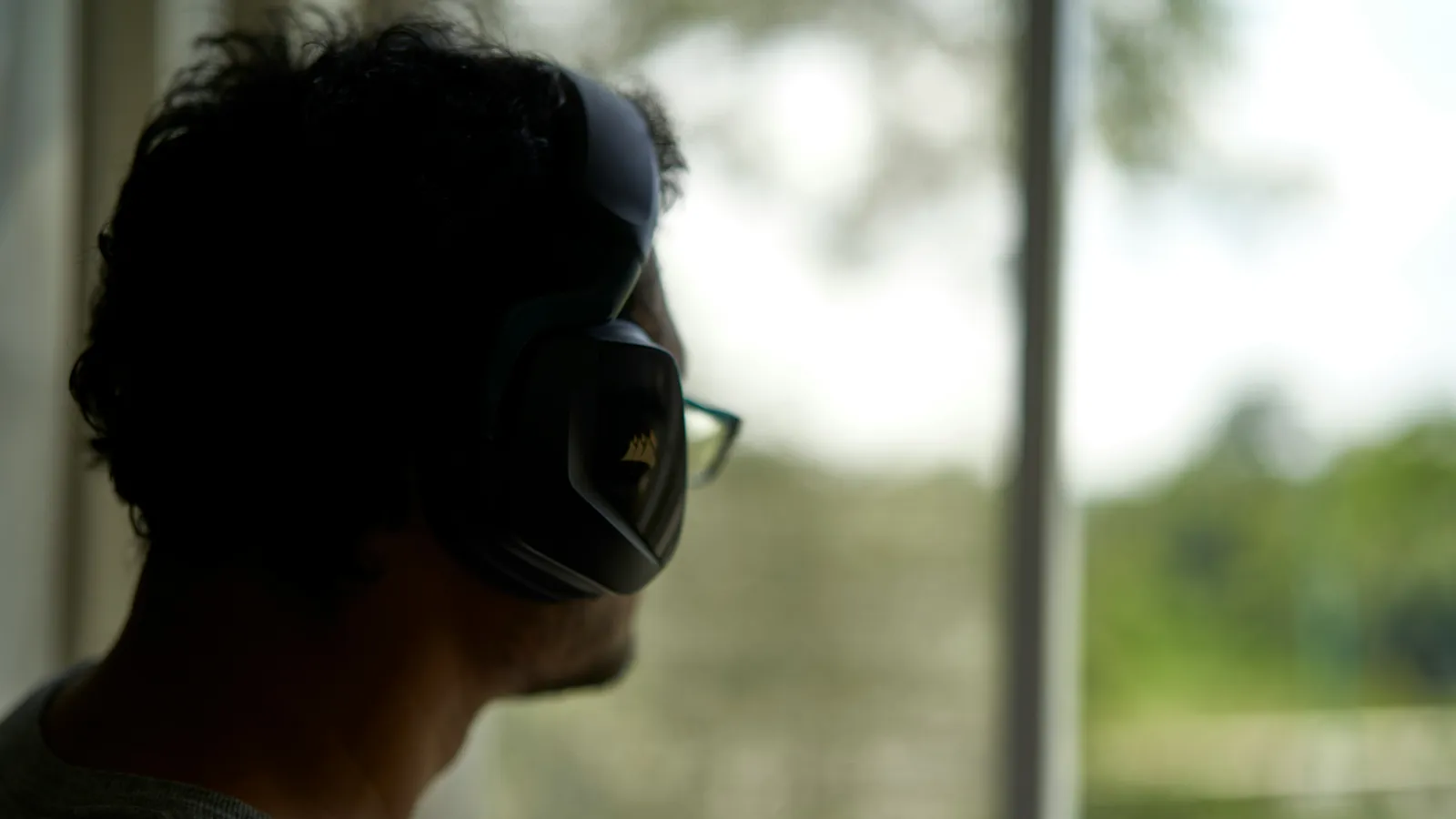
Featured image by Jose Ortega Castro on Unsplash.
Leave a Reply