
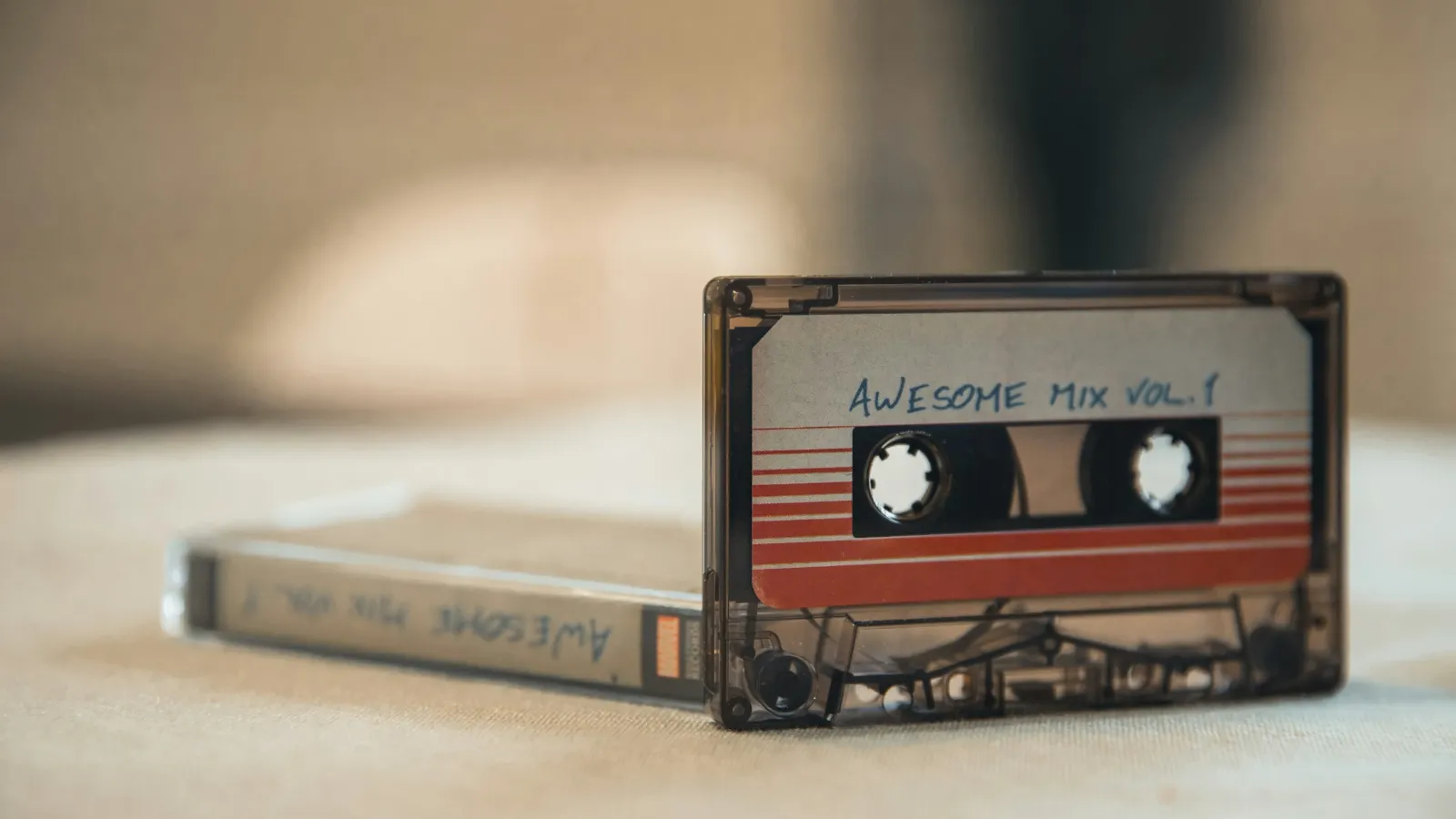
Sometimes a birthday gift can introduce someone to an art form they will love for the rest of their life. The Walkman I received as a child did exactly that, introducing me to the music that would later become a lasting part of my life.
Back in the 1980s, people did not listen to music through the internet the way we do today. It was the era of cassette tapes. Families bought stereo systems for their homes, while portable versions known as Walkman allowed people to take their music with them wherever they went.
Our modest household was introduced to these technologies a little later than many others. Even when cassettes had become widespread, we still had vinyl records at home. Both music players and recordings were physical objects, and neither was inexpensive. If a cassette tape was damaged or snapped, replacing it cost money. Owning the complete catalog of a favorite artist was a significant investment. We did not have access to an unlimited library of music. Because of that, we took care of the things we owned and often listened to the same cassette for months or even years.
My first Walkman was a gift for my eighth birthday. The first album I owned was Michael Jackson’s Bad. At the time, I knew him only through photographs in music magazines and the occasional appearance on television, yet I was deeply drawn to him. His voice, his music, and the way he moved left a strong impression on me. I did not speak English yet and had no idea what his songs were about. Even so, I remember listening to Bad countless times. Soon afterward, I bought the Leave Me Alone single from the same album. These were not only my first cassettes; they were also the first pieces of a music collection that would continue to grow over the years.
Back then, I didn’t think much of how much music I was listening to. My Walkman was almost always with me. I didn’t know anything about music theory, harmony, or structure. I was not analyzing music. I was simply listening.
Most of the time, Michael Jackson was playing through my headphones. But his music was not the only music in our home. My father owned recordings of Western classical music, along with mixed cassettes containing many different styles. As a result, one day I might be listening to pop music, while the next I could find myself exploring the rich world of classical music.
I kept returning to the albums I loved, discovering new music along the way and enjoying the experience. Over time, one album would give way to another. But the listening never stopped. Without realizing it, I was learning how to listen and beginning to build a relationship with music.
A few years later, my family noticed how interested I had become in music and bought me a keyboard. For the first time, I had the chance to be more than just a listener. Before long, I began taking music lessons. In my keyboard classes, I mostly played keyboard arrangements of classical pieces. Looking back, those lessons not only familiarized my ears with classical music but also helped develop my sense of rhythm.
One of the turning points in my life came when I was selected for piano lessons while still attending the keyboard course. It was my first encounter with the instrument that would later become an important part of my life. Moving from keyboard to piano, however, felt significant. The piano seemed larger, more difficult, and somehow more “real.”
At one of our year-end concerts, a rock band performed after our group. Until then, my musical world had been shaped mostly by Michael Jackson and classical recordings. It was the first time I had encountered music that felt so powerful and energetic. I began to wonder where that sound came from.
Not long afterward, I noticed several classmates crying at school. When I asked what had happened, they told me that Kurt Cobain had died. Who was Kurt Cobain? Why had his death affected the people around me so deeply?
That curiosity eventually led me to Nirvana. There was something familiar in their music. I could hear the same energy I had felt at that year-end concert, but expressed in a different way. Before long, that curiosity led me into the worlds of grunge and punk.
That same year, my family moved to another city, and my piano lessons came to an abrupt stop before I could go any further. Even so, the people I met in my new city introduced me to more music. A friend sitting next to me in high school introduced me to heavy metal and its many subgenres. A blues festival I attended with another classmate opened the door to the world of blues.
A few years later, my grandmother gave me a collection of vinyl records that had belonged to my uncles. She knew how much I loved music. Discovering that they had listened to many of the same bands I admired created an unexpected sense of connection between us.
Over the years, cassettes gave way to CDs, and CDs eventually gave way to digital formats. The music changed, but my listening habits did not. Nearly every week, I spent my allowance on new albums, always hoping to discover another artist or band. My classmates began noticing how much my passion for music was growing. Perhaps that is why, when we graduated, my high school yearbook described me as “the friend who was always wearing headphones.”
By the time I reached university, music was no longer simply an interest. It had become a natural part of everyday life. One of the first things I did was join the university’s Music Club.
The Music Club was really just a small room. Inside were an electric guitar, a bass guitar, their amplifiers, and a drum kit. The first time I walked in, I picked up the electric guitar and tried to play it. Before long, I became drawn to it.
On another day, I saw an older student playing drums in the club room. I walked over and learned a few rhythms from him.
Sometimes older students used the room simply to listen to music. They would connect their music players to the amplifiers and fill the room with albums I had never heard before. Those afternoons led me to countless new discoveries.
After spending two years there almost every day, constantly learning and exploring, I became president of the Music Club. In many ways, the club found something it had been missing. The instruments were there, and there were people willing to play them, but there were very few activities bringing everyone together. I began organizing events and helping create a more active musical community. My first experience performing live with a guitar came during one of those events.
During my final year at university, a friend suggested that I take lessons at a music school called Akademi İstanbul. At first, I planned to study guitar since it was the only instrument I had regular access to. Around that time, however, I learned that there was an old piano in the university gymnasium. That discovery led me back to the instrument I had left behind years earlier.
The first few months were difficult. The piano in the gym was badly out of tune, and most of my practice consisted of working through exercises while wearing earplugs. The teacher responsible for the gym told me that he had rescued the instrument from a house and brought it to the school.
One day, he arrived carrying bags filled with sheet music and asked whether I could play any of it. I told him I would gladly try—but not on that piano. That conversation led me to discover a much newer grand piano in a conference hall at the university. From then on, I spent countless hours there, surrounded by sheet music and a far better instrument.
Even though I still did not own a piano, I began taking piano lessons. During the week I focused on my university studies, but my weekends belonged entirely to music. I would wake up early, go to the music school, practice, and attend lessons. After a demanding week of classes, even getting up early on weekends never felt like a burden.
The best part of that experience, however, was meeting Mustafa Saka, a teacher I would come to admire deeply in the years that followed.
During my first weeks at Akademi İstanbul, what mattered most to me was learning to play my instrument better. I wanted to make fewer mistakes, learn more challenging pieces, expand my repertoire, and gain greater control over the piano.
That was also how I measured progress.
One day, however, Mr. Saka, who taught our sight-singing classes and was also a musicologist, offered a different perspective. In his view, musicianship was not only about playing. Listening was just as important—maybe even more important than playing. Conscious listening, he suggested, might be a key foundation of musicianship.
Then he said something that remained with me for years.
“To become a good musician, you first have to become a good listener.”
The idea fascinated me. After all, I had been listening to music for years. Genres, artists, albums—I thought of myself as a good listener already.
So what was I missing?
In the days after Mr. Saka’s comment, I began to question what I might be missing.
I started by reflecting on the listening habits of my childhood and teenage years. Back then, I would listen to the same albums over and over again. If I loved a song, I might play it dozens of times. I knew entire sections by heart simply because I had heard them so often. Sometimes I would notice details months later that hadn’t caught my attention at first. Since I mostly listened to music in English, trying to understand song lyrics even helped me improve my English along the way.
For years, music had been woven into my everyday life. Yet I didn’t understand the difference between listening to music repeatedly and truly going deeper into it. I had never tried to step back and examine the relationship I had built with music.
Looking back now, I realize that I had been a listener long before I ever played my first note. At that time, I couldn’t read music, play an instrument, or understand music theory and the history of music. Even so, I had spent years building a strong relationship with music.
I loved music, and I listened to it constantly. I discovered new genres, returned to favorite albums again and again, and spent countless hours with the music I loved. Yet I wasn’t trying to understand it or go deeper into it.
That’s when something became clear to me:
Being a listener and being a conscious listener were not the same thing.
My connection with music may have been strong, but I was only beginning to think about how that connection formed, why certain pieces moved me, and what music was actually doing in my life.
Perhaps the next stage of my musical journey would be less about discovering new music and more about learning how to listen again.
Featured image by YM on Unsplash.
Leave a Reply